
We may receive a commission on purchases made from links.
This post containsspoilersfor “You Can See Everything.”
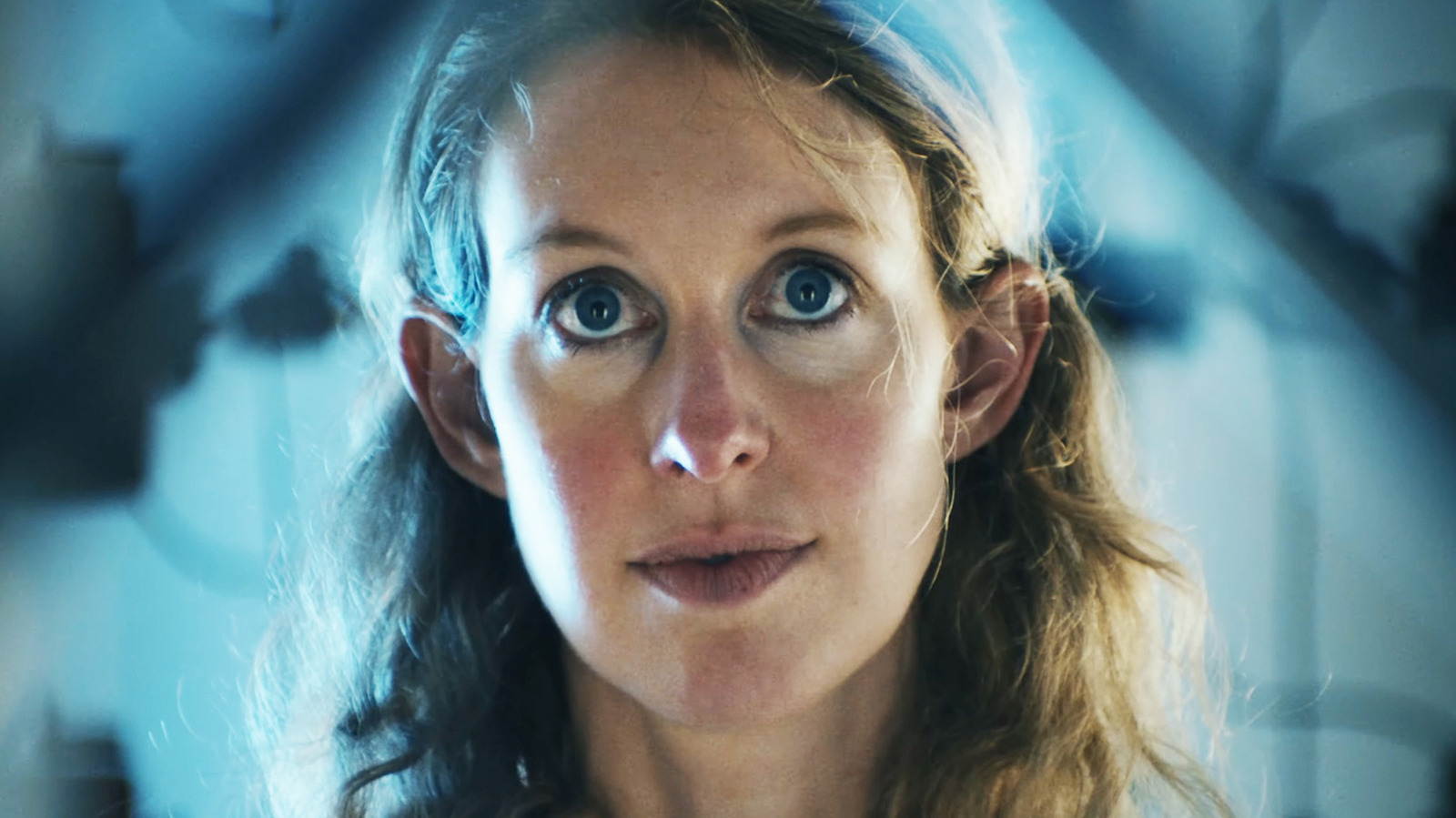
It’s not as if the world needs more prominent public ghouls in 2026 but whether we like it or not we just got another one. This particular villain comes courtesy of what is already one of the best films of 2026: Nathan Fielder and Lance Oppenheim’s Elizabeth Holmes documentary “You Can See Everything.” While Holmes’ pallid visage and empty stare are enough to wilt a flower in a matter of seconds, it turns out the disgraced former CEO of health startup Theranos is not the primary villain of this sordid little chronicle. Instead, her partner, William Evans, emerges from the doc as a truly odious and perhaps even dangerous figure.
As /Film’s Ethan Anderton put it, “You Can See Everything” is a mystifying masterwork of mind-melting manipulation. Like everything Fielder does, it sort of defies explanation, melding documentary with scripted segments and a stylized aesthetic that is at once captivating and a constant reminder that shifty entrepreneurs don’t have a monopoly on artifice.
While there’s certainly an ethical question surrounding Fielder’s particular brand of “documentary,” one thing that isn’t in question is the fact that Billy Evans comes out of this thing looking bad. Very bad, in fact. The scion of a San Diego hotel management company dynasty, Evans has been with Holmes since 2017, meeting her prior to her 2018 indictment for two counts of conspiracy to commit wire fraud and ten counts of wire fraud. Given Holmes’ notorious reputation, you’d be forgiven for expecting her to be the main villain of “You Can See Everything.” But Evans very quickly reveals himself to be the bad guy here, and it just keeps getting worse the longer the documentary goes on.
Billy Evans exudes a manipulative energy from the start of You Can See Everything
“You Can See Everything” sees Nathan Fielder spending time with and eventually moving into Elizabeth Holmes and Billy Evans’ home where they live with their two young children. This occurs prior to Holmes beginning her 135-month sentence in federal prison following her conviction for one count of conspiracy to commit fraud on investors and three counts of committing fraud on individual investors.
At first, Evans comes off as the kind of normcore-clad tech bro cretin with an unearned confidence and no discernible expertise beyond a vague background in business we see all too often today. But as the documentary goes on, he takes on an increasingly dark aura so that by the time everything is said and done he’s managed to become a genuinely sinister and malevolent presence.
Not that Holmes comes away from the film looking like a saint. But it very quickly becomes clear that Evans is apparently manipulating things behind the scenes. Rather than projecting a sense of being a loving partner, he appears to be stage-managing everything from the very beginning, and frequently walks out on interviews with Fielder when he becomes uncomfortable with the line of questioning. We also learn that he and Holmes are working on a new venture involving technology that uses lasers to test blood in what Evans explicitly calls “Theranos 2.0” — a characterization he played down in a more recent interview for the All-In Podcast, seemingly agreeing that the “Theranos 2.0” claims were a press invention. It’s already pretty shady stuff, but by the end of “You Can See Everything” Evans has become something else entirely.
Billy Evans becomes a villain before our eyes in You Can See Everything
After Elizabeth Holmes begins her prison sentence in May 2023, Nathan Fielder reveals that, prior to the start of filming on “You Can See Everything,” Billy Evans struck a deal with distributor A24 for a cut of the documentary’s profits. We see this play outed Holmes in the very watchable Hulu series “The Dropout,” reprises the role and conveniently leaves the room before the actor playing Billy discusses the profit deal
Neither Fielder nor Seyfried, who essentially becomes Fielder’s investigative sidekick, can figure out whether this was an elaborate scheme to preserve Holmes’ image or whether she did in fact know that she and her partner would be making money from the film. We later see Holmes tell Fielder “I’m not making any money or having any economic interest in this whatsoever,” in a moment that suggests she was unaware of the deal brokered by Evans. But it remains unclear whether this was part of the ruse.
What is indisputable, however, is that Evans is not a good guy. In a later scene, Seyfried and Fielder visit his home and he not only reveals that he’s posting vulgar messages as Holmes on her Twitter account without her knowledge, he’s also wrangled power of attorney over his partner while she’s in prison. Once he starts berating Seyfried, expressing his admiration for Charlie Kirk, and announcing “I’ve got vengeance in my heart,” it’s undeniable. This guy is just as bad if not worse than his fraudster partner (read “Bad Blood: Secrets and Lies in a Silicon Valley Startup” in case you’re starting to feel sorry for Holmes) and easily one of the best villains of 2026.
