
Getting your Trinity Audio player ready…
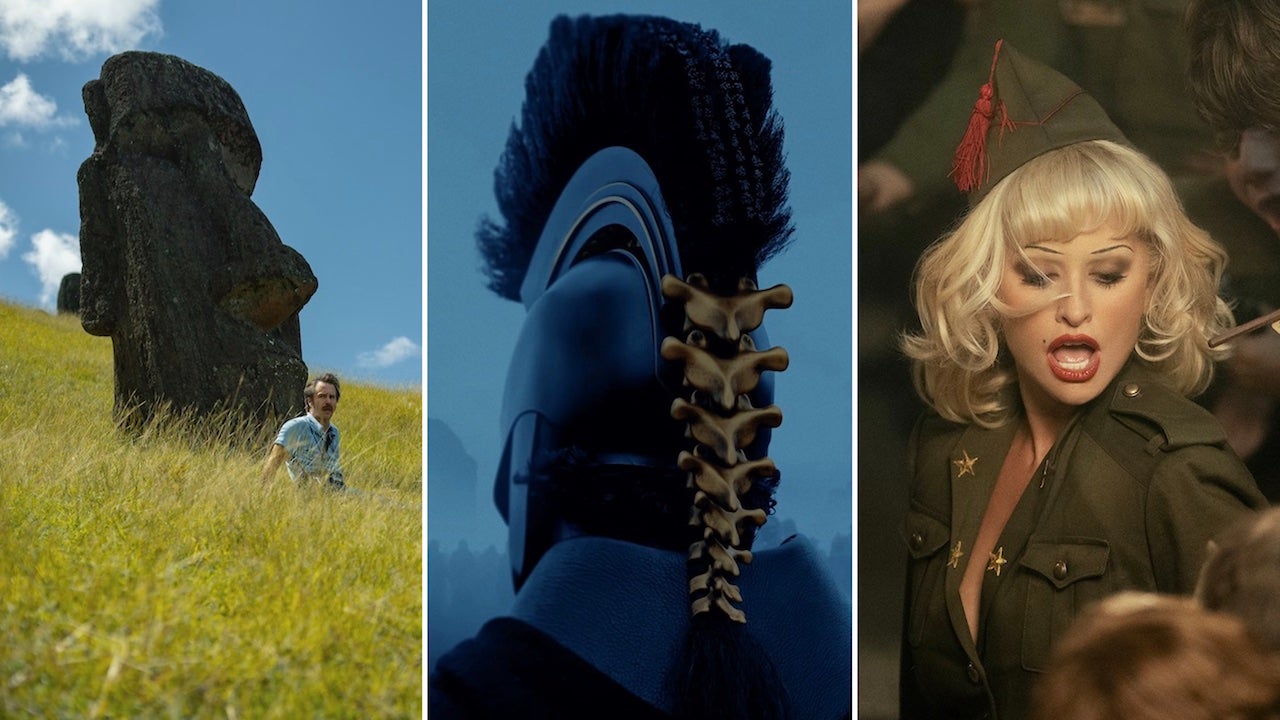
With the Venice, Telluride and Toronto film festivals in the rearview mirror and the New York Film Festival kicking off on Friday, we should have a pretty good idea of what this year’s awards race will look like.
Shouldn’t we?
In a way, yes, we should. But after a relatively underwhelming Cannes Film Festival back in May, the September trio of festivals was also underwhelming, and the New York lineup is light on much that could alter the race.
So let’s pick through what we’ve seen and what we expect to happen when the 10,000+ members of the Academy of Motion Picture Arts and Sciences get around to voting in the Best Picture category in early January. We’ll separate them into groups.
Contenders that have already been released
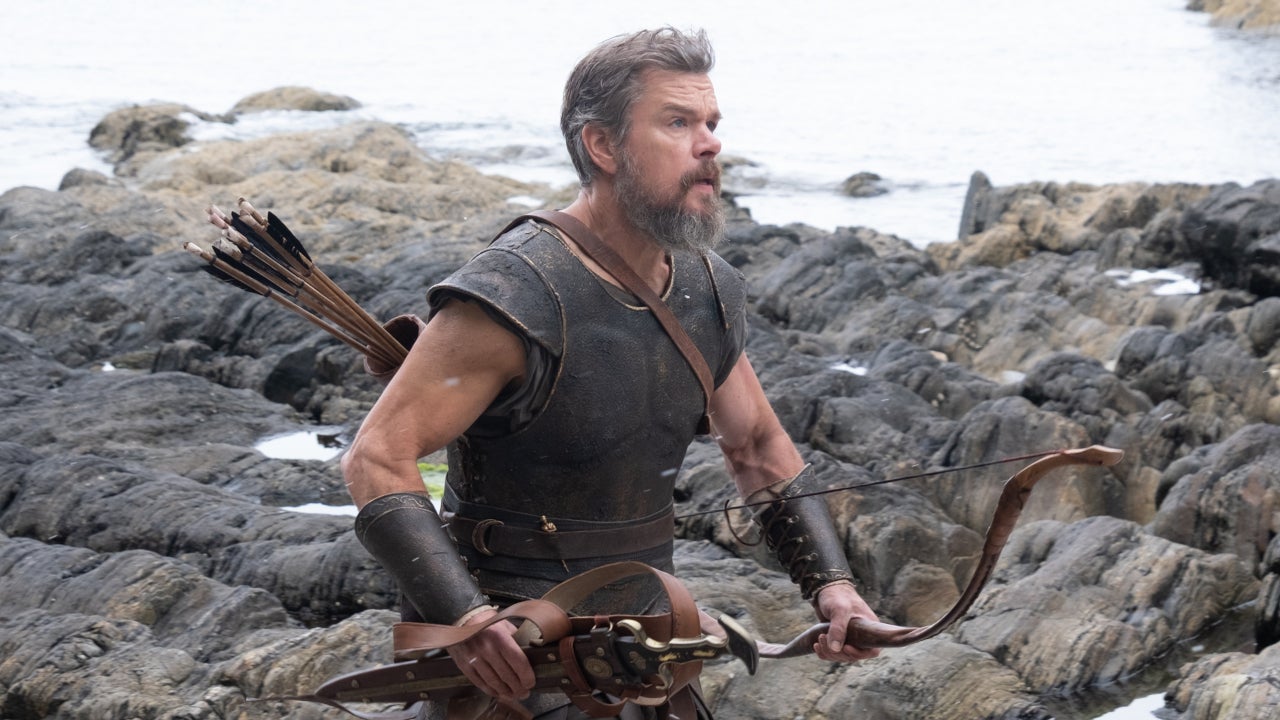
The big one in this category, of course, is Christopher Nolan’s “The Odyssey,” an epic that became the de facto frontrunner when it was released on July 17 and hasn’t budged from that position since then. It did extremely well at the box office, reviews have been strong and it epitomizes a year in which lots of high-profile films tell stories about how we tell stories, with others in that camp including “The Debut,” “Elsinore,” “Digger,” “Primetime” and “Ink.”
Being a wire-to-wire favorite isn’t easy, but Nolan did it three years ago with his previous film, “Oppenheimer,” another third-week-of-July release. Lots of directors earn back-to-back Best Picture nominations – Paul Thomas Anderson did it last year, Edward Berger and Denis Villeneuve the year before – but winning the top prize with consecutive films hasn’t happened since David Lean turned the trick with “Bridge on the River Kwai” in 1957 and “Lawrence of Arabia” in 1962. The only other director to do it: William Wyler with “Mrs. Miniver” in 1942 and “The Best Years of Our Lives” in 1946.
(Francis Ford Coppola directed Best Picture winners only two years apart with the first two “Godfather” movies, as did Frank Lloyd with “Cavalcade” and “Mutiny on the Bounty” in the 1930s, but Coppola made “The Conversation” in between his two winners, and Lloyd made three other movies between his.)
Phil Lord and Christopher Miller’s “Project Hail Mary”came out even earlier in the year, on March 20, only five days after the Oscar ceremony. But like “Sinners” last year and “Dune: Part Two” the year before, it’s a bold spring movie that seems to be hanging on in the minds of voters.
The jury’s still out on a trio of movies that came out in the first half of the year: in order of likelihood, Olie creator Curry Barker’s horror-movie sensation “Obsession” (not a genre that usually finds favor with Oscar voters) and the divisive but crowd-pleasing Michael Jackson biopic (or whitewash?) “Michael.”
Festival movies that are likely to be nominated
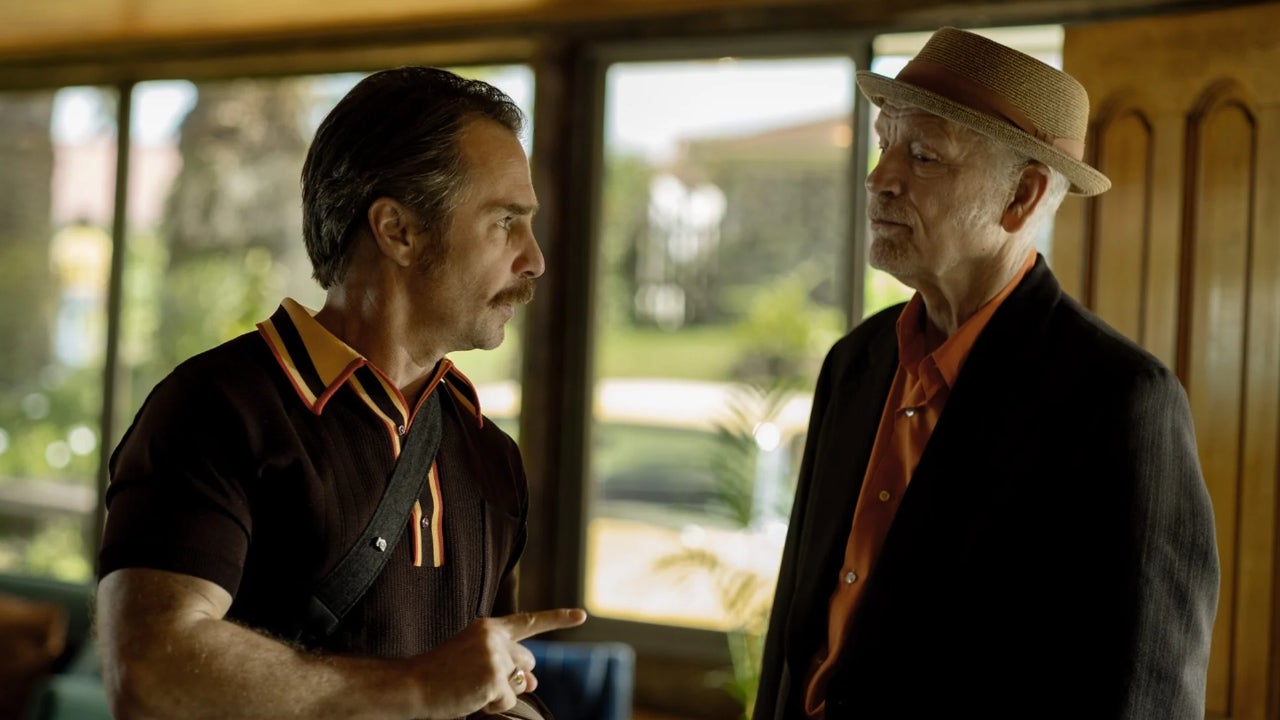
The fall festivals usually bring the premieres of a few best-pic nominees: Last year, for instance, there was “Bugonia” and “Frankenstein” from Venice and “Hamnet” from Telluride, the year before “The Brutalist” from Venice and “Conclave” and “Nickel Boys” from Telluride. This year, though, I count exactly one sure-fire nominee: Martin McDonagh’s twisted comedy “Wild Horse Nine.” It may not be as strong as the Irish director’s 2022 black comedy “The Banshees of Inisherin,” which received nine nominations, but it’ll likely do well, buoyed by the affection for a cast headed by John Malkovich, Sam Rockwell and Steve Buscemi.
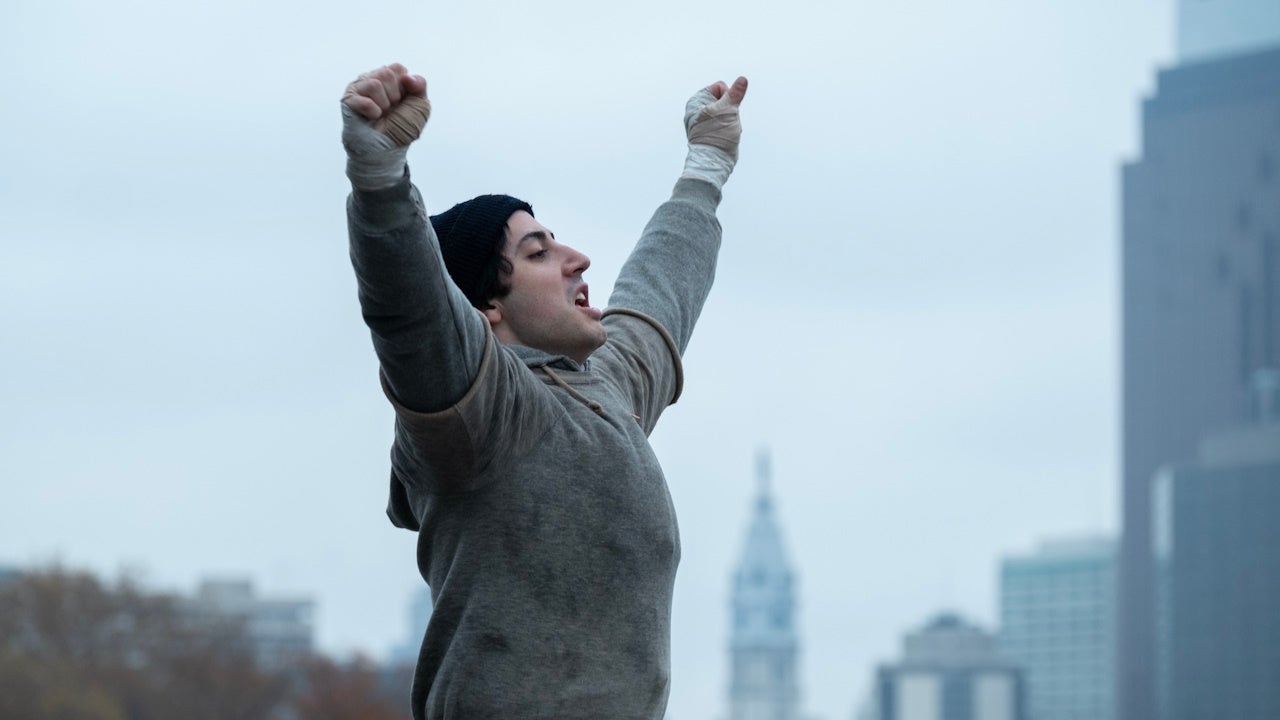
Peter Farrelly’s “I Play Rocky” may not be quite as much of a sure thing, but his tale of the making of the 1976 Best Picture winner “Rocky” is a genuine crowd-pleaser and seems likely to become the first Toronto Film Festival world premiere to land a nomination since “American Fiction” in 2023.
Festival movies that might be nominated
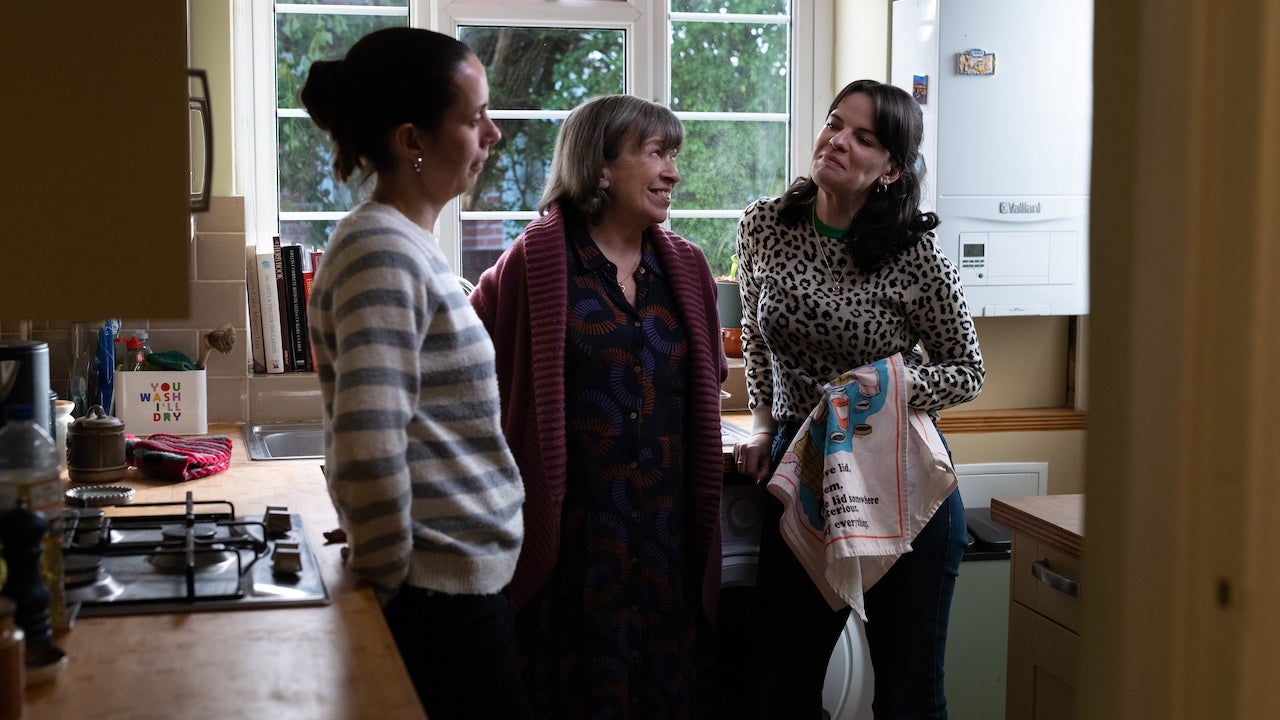
This is a much bigger group than the likely nominees. It includes Jesse Eisenberg’s goofy musical “The Debut,”another crowd-pleaser; Mike Leigh’s wrenching but lovely “Tender Loving Care,” with “Widow’s Bay” Emmy winner Kate O’Flynn starring in what the iconic director says will likely be his last movie; and Australian film and theater director Simon Stone’s “Elsinore,” with a stunning performance by Andrew Scott as Ian Charleson, the “Chariots of Fire” star who played Hamlet in a London theatrical production while he was dying of AIDS in 1989. (It could follow “Hamnet” and become the second consecutive nominee to find parallels between Shakespeare’s classic tragedy and the lives of people putting it on.)
Other recent festival films in contention are Lance Oppenheim’s “Primetime,” with Robert Pattinson as “To Catch a Predator” host Chris Hansen; Sian Heder’s “CODA” follow-up, “Being Heumann,”which uses a predominantly disabled cast to tell the story of a 1977 sit-in that was pivotal in the disability-rights movement; and Danny Boyle’s “Ink,” in which Boyle’s typically propulsive filmmaking traces the rise of tabloid journalism in England in the 1980s.
Going back to the Cannes Film Festival in May, you can’t rule out James Gray’s “Paper Tiger,” in which Scarlett Johansson, Miles Teller and Adam Driver play roles based on Gray’s mother, father and uncle; and Jordan Firstman’s entertaining “Club Kid,” which takes “Three Men and a Baby,” drops two of the men and transplants the action to New York gay club scene.
Festival contenders not in English
This is an intriguing batch of films, because the increasingly international makeup of the Academy has led to four consecutive years of two non-English Best Picture nominees, and eight straight years of at least one. Two-thirds of those nominees have come from Cannes, which supplied at least six contenders this year.
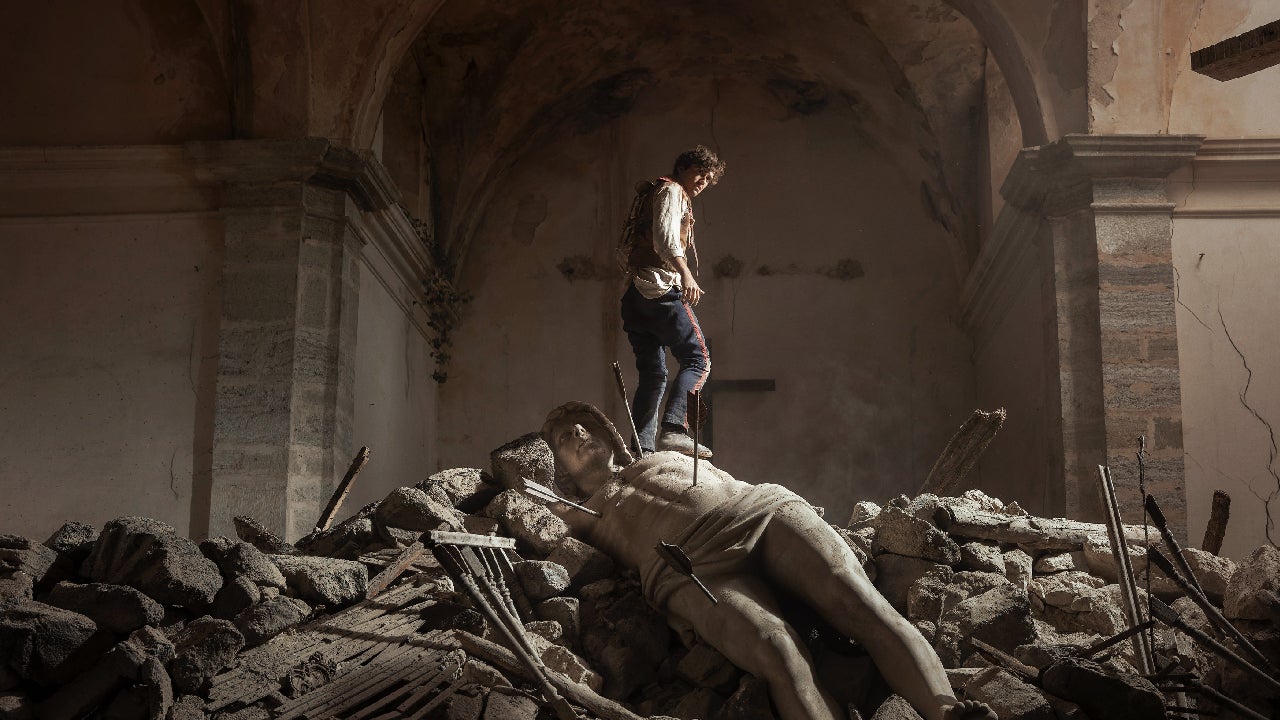
The top three seem to be the Palme d’Or winner, Cristian Mungiu’s “Fjord,” austere and provocative; the Spanish drama “La Bola Negra,” an expansive epic which spans decades in the lives of three gay men and is one of Netflix’s strongest contenders; and “Fatherland,” another mid-century black-and-white reverie from Pawel Pawlikowski, who worked this territory fruitfully with his last two movies, “Ida” and “Cold War.”
The Asian auteurs Lee Chang-dong and Ryusuke Hamaguchi can’t be discounted, either, with Lee’s “Possible Love” and Hamaguchi’s “All of a Sudden” telling deep and thoughtful stories from South Korea and Japan, respectively. Russian director Andrey Zvyagintsev, now living in exile in France, delivers a typically powerful look at Russian society in “Minotaur,”though Best Picture is more of a stretch for his dark drama.
Notable documentaries
No nonfiction film has ever been nominated for Best Picture, but two of them certainly stole the headlines during the festivals. One, we saw coming: Oscar-winning director Alex Gibney’s “Musk” was a look at the world’s richest man that felt monumental even as it drained viewers over its four-hour running time.
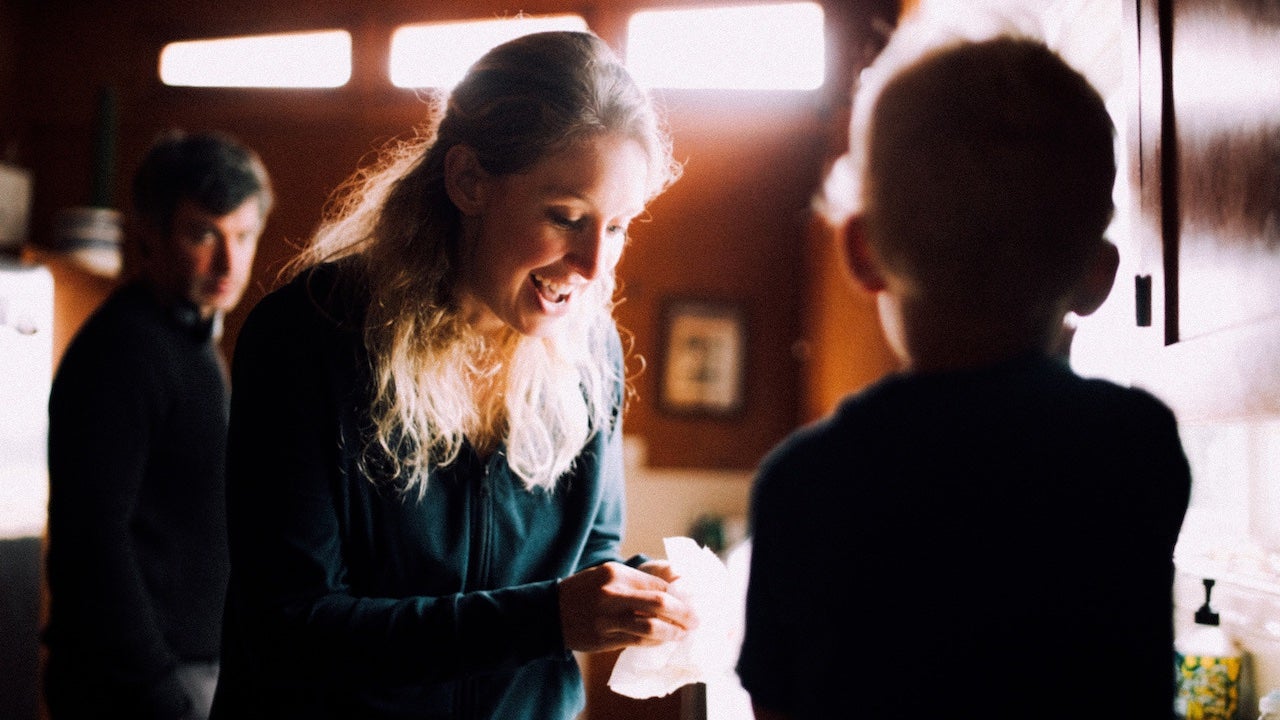
The other was a shock: Lance Oppenheim and Nathan Fielder’s “You Can See Everything” premiered as a surprise film at Telluride and left audiences dumbfounded with its look at Elizabeth Holmes in the month before she began serving a prison term for defrauding investors in her company Theranos. If the Academy’s Documentary Branch doesn’t embrace the slippery doc/fiction hybrid beloved by Fielder fans, there’s always a chance it could hit the spot for general voters – unless those mind-boggled raves out of Telluride had something to do with the surprise unveiling and the altitude.
A post-festival possibility that some people have seen
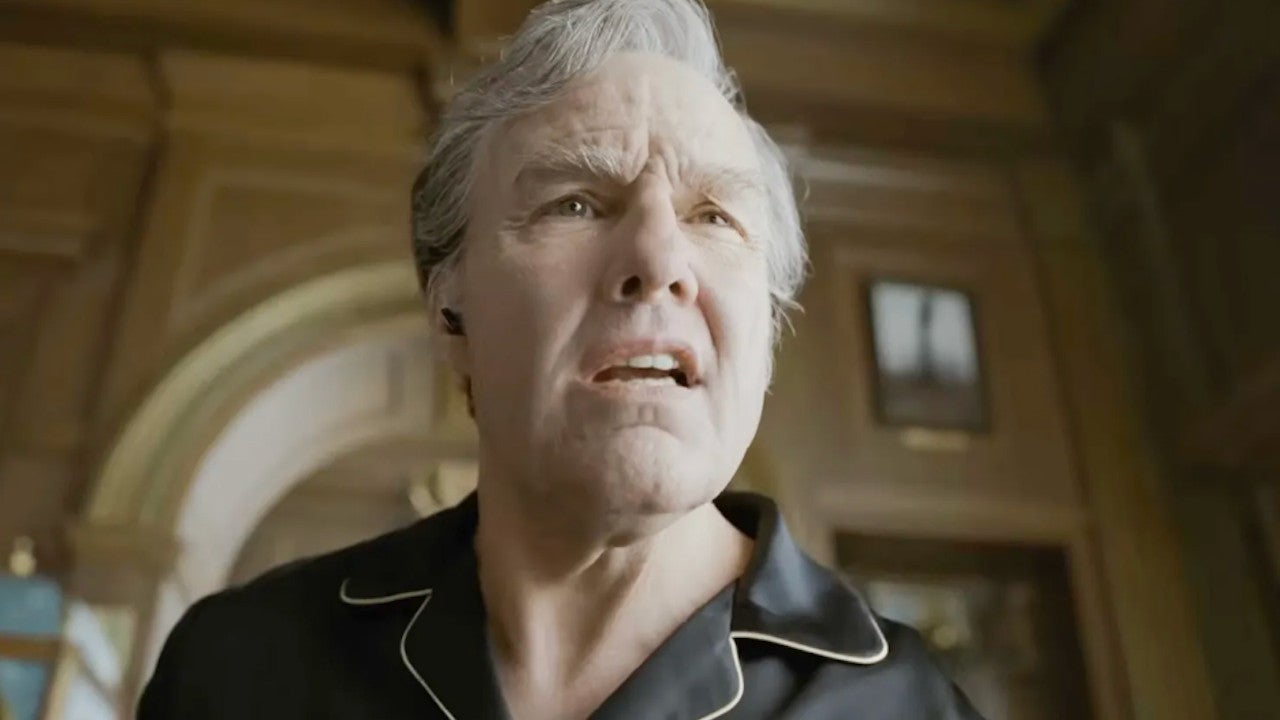
One of the biggest contenders to skip the fall festivals was Alejandro G. Inarritu’s “Digger,” with Tom Cruise as a billionaire mogul (there seem to be a lot of them on screens these days) in a rare comedy for the ambitious Mexican director. The film premiered in London and had a few Stateside screenings recently, with more coming in the next week. So far, it’s safe to say that the film has been wildly divisive: It’s completely excessive and over-the-top in a way that seems to be exhausting to some and thrilling to others, while a big twist recasts everything you’ve seen and forces you to reconsider those scenery-chewing performances by Cruise, John Goodman and others.
A lot of people seem to be predicting that it’ll flop with voters (think: Damien Chazelle’s “Babylon”), but it’s so seriously wacky that it might also get points for guts and nerve. It won’t hurt that it gives people a reason to vote for Tom Cruise, which has been hard to find during his years in the action-star arena.
Contenders that haven’t screened yet
This Oscar-watcher’s rule of thumb is that if you come out of the fall festivals and there are three or four or six big movies that have yet to screen, you should assume that 75% of them will not be serious contenders. The problem is that at this point, you don’t know which 25% might score.
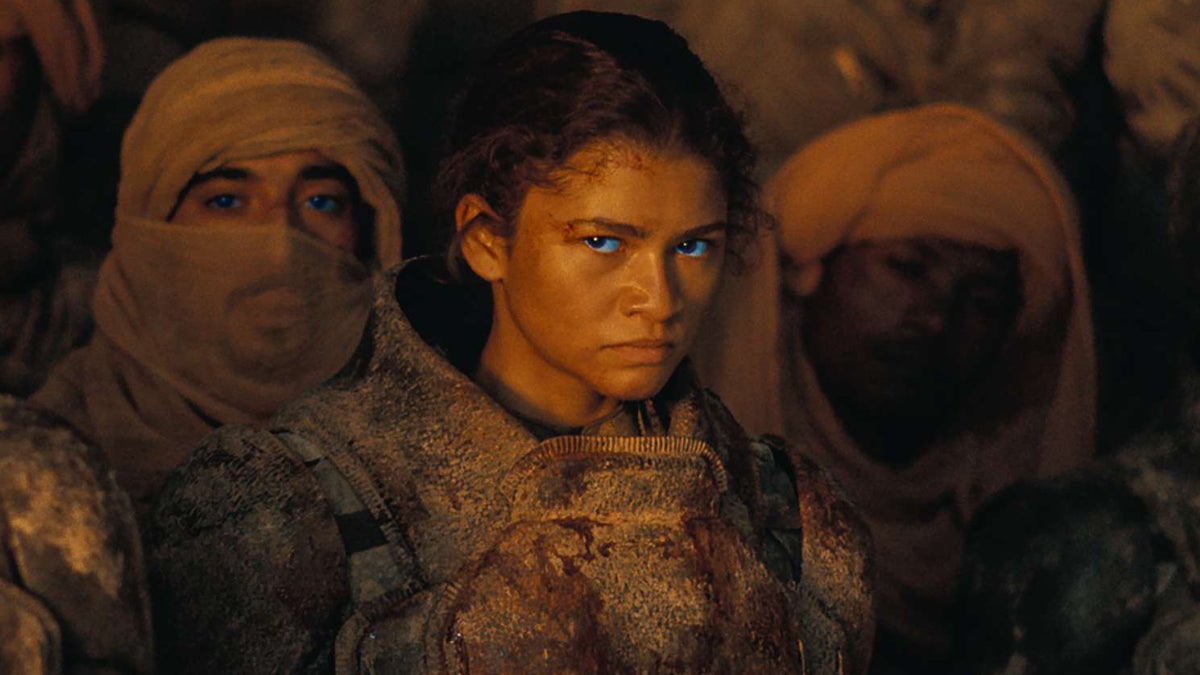
That said, the end to Denis Villeneuve’s “Dune” trilogy, “Dune: Part Three,” seems pretty close to a sure thing. You’d think the pedigree of “The Further Mis-Adventures of Cliff Booth” would make that a reliable bet as well: screenplay by Quentin Tarantino based on the character that won Brad Pitt an Oscar for “Once Upon a Time in Hollywood,” directed by three-time Best Director nominee David Fincher. But only one of Fincher’s last four movies has earned a best-pic nomination, and his pulpier genre exercises – “The Girl With the Dragon Tattoo,” “Gone Girl,” “The Killer” – are the ones that tend to miss out. So who knows?
Also a David-Fincher-adjacent semi-sequel, Aaron Sorkin’s “The Social Reckoning” is a follow-up to the Sorkin-written, Fincher-directed “The Social Network,” with Jeremy Strong taking over the Mark Zuckerberg role from Jesse Eisenberg. We can expect smart, fast talking, but 2020’s “The Trial of the Chicago 7” is the only one of the three previous movies Sorkin has directed to be nominated for the top Oscar.
Other films still waiting in the wings are a trio of New York Film Festival premieres: Tony Gilroy’s “Behemoth!”with Pedro Pascal as a cellist and film composer; Luca Guadagnino’s “Artificial,” with Andrew Garfield as the CEO of OpenAI; and Tom McCarthy’s “A Statement,” with Paul Rudd and Paul Giamatti as part of an ensemble playing scientists and policymakers trying to craft a statement on climate change in 1980.
Another film that hasn’t screened yet but holds real promise, at least to me, is “Werwulf” by Robert Eggers, who ought to have gotten more awards traction than he did for “The Lighthouse” and “Nosferatu.” No, I don’t really expect it to become a Best Picture nominee. But a werewolf movie with Willem Dafoe speaking dialogue that’s all in Middle English? Damn, sign me up.
Best Picture predictions as of right now
Given all of this, where do we stand for now? If I had to come up with a list of what I think the Best Picture nominees would be, I’d start with these seven films, more or less in this order:
“The Odyssey”
“Wild Horse Nine”
“La Bola Negra”
“Dune: Part Three”
“I Play Rocky”
“Fjord”
“Project Hail Mary”
For the final three slots, I see at least eight films that seem to have a shot, barring any surprises surfacing between now and when voting begins in January. I’d currently go with this trio, the first two because they moved me so much and the third because it’s just so batty:
“Elsinore”
“Tender Loving Care”
“Digger”
But I wouldn’t rule out these:
“The Further Mis-Adventures of Cliff Booth”
“Primetime”
“The Debut”
“Being Heumann”
As always, all opinions are subject to change because this is awards season.
