


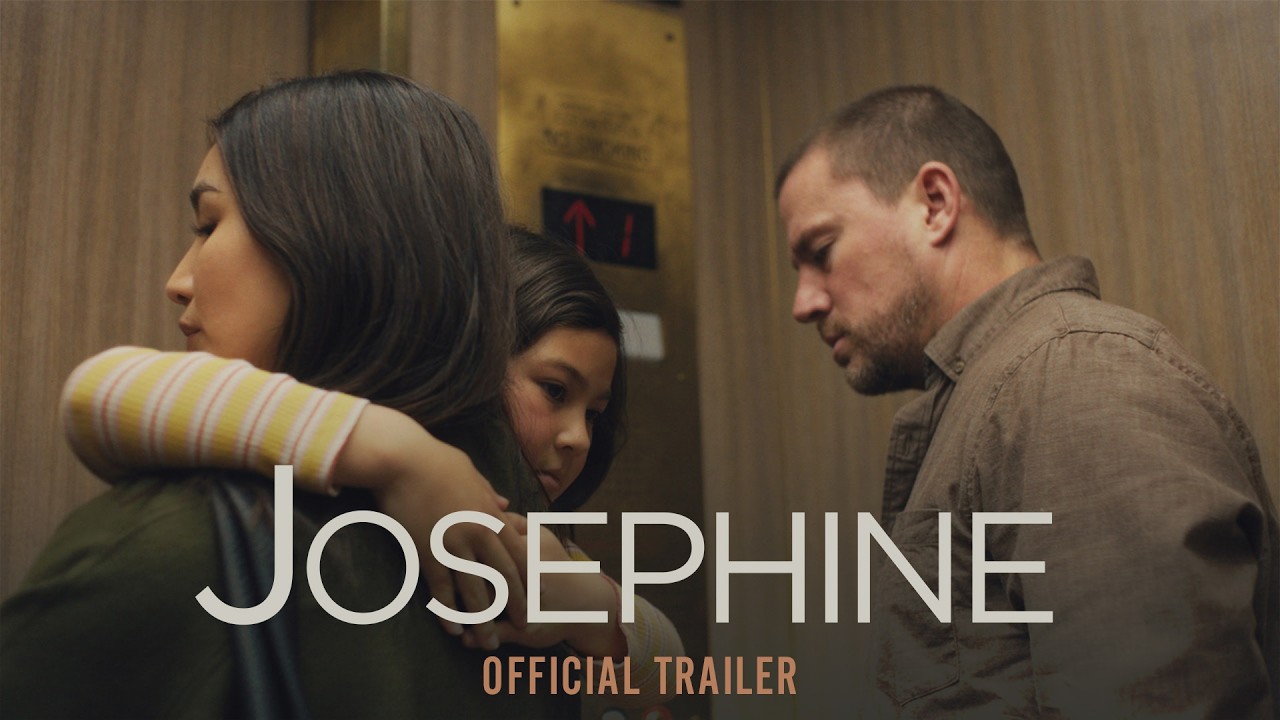
Josephine is a film that is very good at what it does, though you may spend stretches of it wishing that it wasn’t. This courageous, unsparing Sundance-winning drama follows an eight-year-old girl in the weeks and months after she witnesses a violent sexual assault early one morning in a public park: it is about the terrible, far-reaching toll the experience takes on her, as well as on her loving yet suddenly floundering parents, played with tenderness and insight by Channing Tatum and Gemma Chan.
Writer-director Beth de Araújo renders Josephine’s struggles so upsettingly plausible, and coaxes such a persuasive performance from 10-year-old Mason Reeves in the title role, that it is hard to make her film sound like something anyone with a heart would want to watch. Yet it is worth watching – not as a triumph-of-the-spirit story (it is too honest for that) but as a morally fortifying tale about the shock waves from a single, seemingly isolated act tearing outwards through society at large.
Josephine is suddenly, painfully conscious of her own vulnerability – and furious about it – though she is too young to understand why. She keeps imagining the perpetrator (Philip Ettinger) milling around the family home, doing the sorts of things an eight-year-old would find upsetting, like being mean to her pet mouse or licking biscuits before putting them back on the plate. And during the climactic trial, as Josephine is forced to relive it again and again – including under cross-examination by a lawyer who implies this silly kid doesn’t know what she’s talking about – the injustice of it all kneels on your chest.
“Fair’s not a real thing,” Tatum’s Damien explodes at one point. “We made it up to make ourselves feel better. It isn’t out there in the world.” Josephine wrestles with the full implications of that: it’s a tough film, and even tougher to shake.
