

Article continues below advertisement
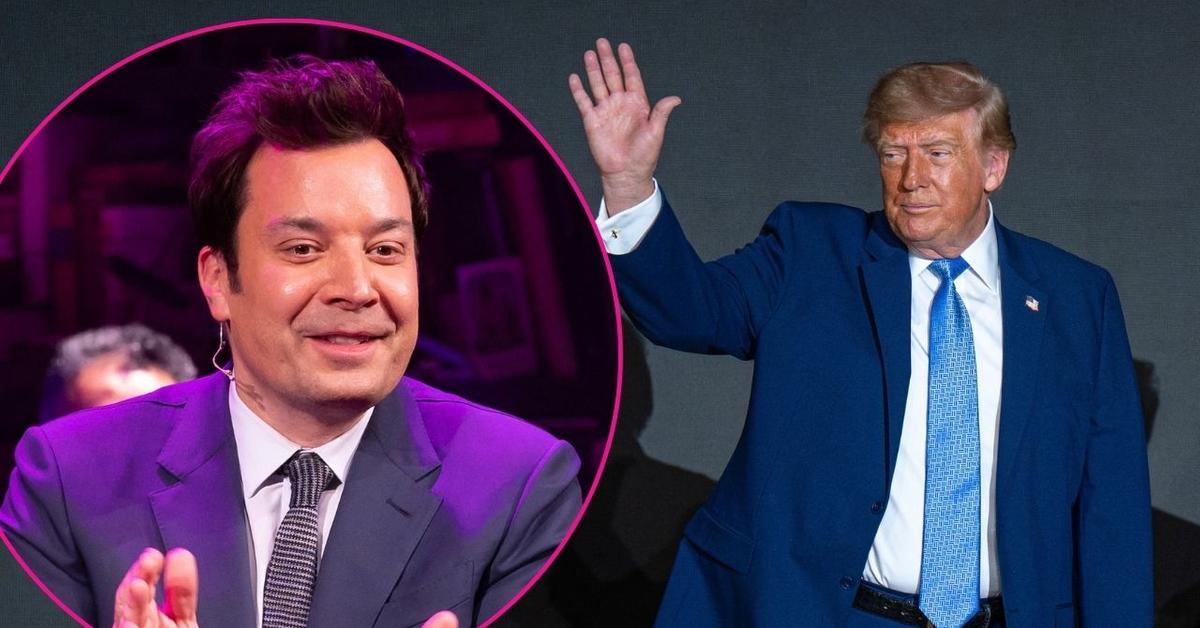
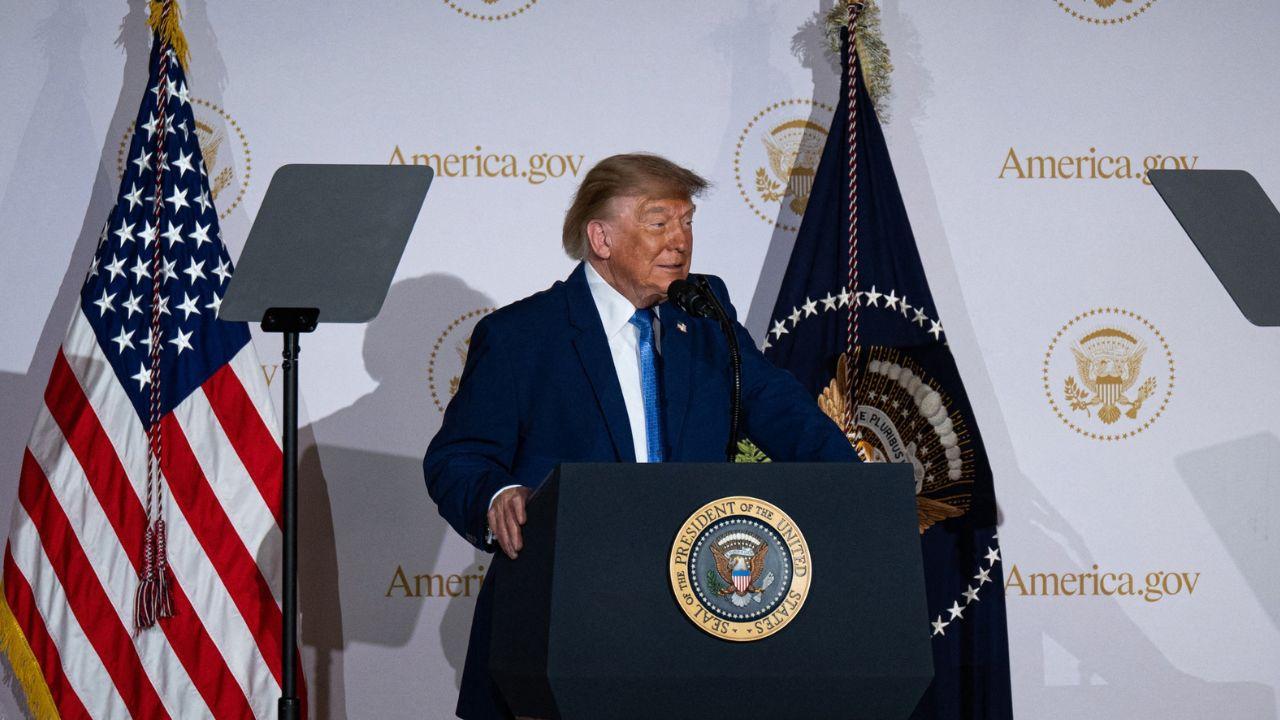
President Donald Trump launched America.gov on Tuesday, September 29, as an AI-powered tool intended to help Americans find federal information and services. Late-night hosts immediately treated the combination of artificial intelligence and government as its first vulnerability.
“Everyone’s afraid of A.I., and nobody trusts the federal government, so Trump was like, ‘Let’s combine them’,” Jimmy Fallon joked on The Tonight Show.
“Like a Reese’s Peanut Butter Cup of Doom,” he added. “Russian hackers were like, ‘This will save us so much time, thank you.’”
A New ‘Front Door’ Gets Roasted

On Jimmy Kimmel Live!, Kimmel described America.gov as a tool for accessing “federal services, information and images of the president as Dr. Jesus.”
He then addressed a White House official’s description of the website as “a new front door for the federal government.”
“We need a new front door because Trump demolished the old front door to build his ballroom,” Kimmel joked.
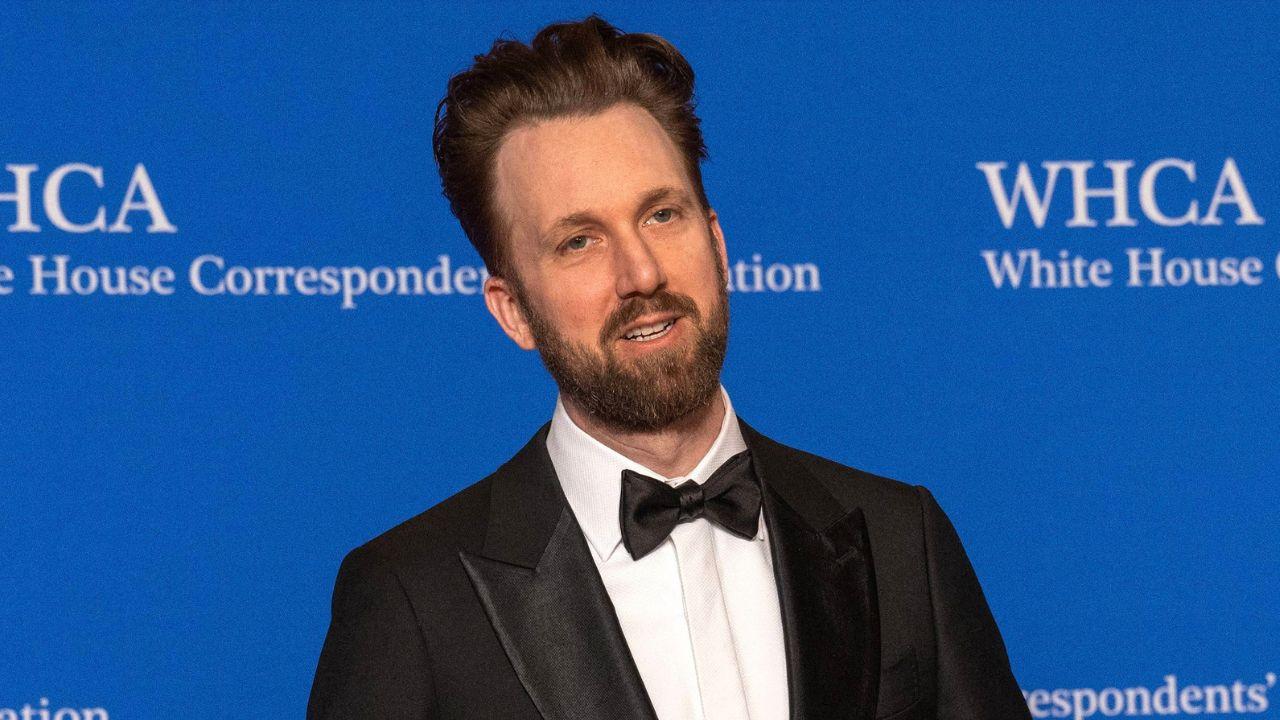
The Daily Show’s Jordan Klepper imagined citizens using the chatbot to ask why Massachusetts is difficult to spell or “Why no bulge on Lincoln Memorial?”
- Mark Zuckerberg Challenged White House AI Proposal During Private Call With Donald Trump: Report
- Back Online! Donald Trump Launches New Communications Platform As His Facebook Fate Hangs In The Balance
- Donald Trump Calls Ken Paxton a ‘Pain’ at Campaign Rally Before Asking If He’s Even in the Crowd
Want OK! each day? Sign up here!
Trust Requires Checkable Answers
“A government chatbot should earn trust through answers people can check,” said Amore Philip, founder of Apples and Oranges Public Relations.
“I would want clear links to officialute to a human when an answer is unclear,” she added. “A confident tone should never substitute for an accountable answer.”
The greater reputational danger lies in a mismatch between the administration’s promotional language and the experience of someone seeking assistance.
“If someone cannot tell whether an answer is current, where it came from, or how to correct it, convenience can quickly become frustration,” Philip explained. “Communications should explain what the tool can do, what it cannot do, and who takes responsibility when it gets something wrong.”
A Punchline Is Not a Product Review

“Late-night ridicule can give a new service an unfavorable first impression, but I would not treat a punchline as evidence of how well the service works,” Philip noted.
Rather than arguing with comedians, she recommended demonstrating the chatbot’s usefulness and allowing the public to evaluate it.
“The strongest response is a useful, transparent experience people can judge for themselves,” Philip said. “Demonstrate the service, acknowledge limitations, and make corrections visible rather than turning every joke into a defensive messaging battle.”
